Why bottle lids leak, and which part is usually at fault

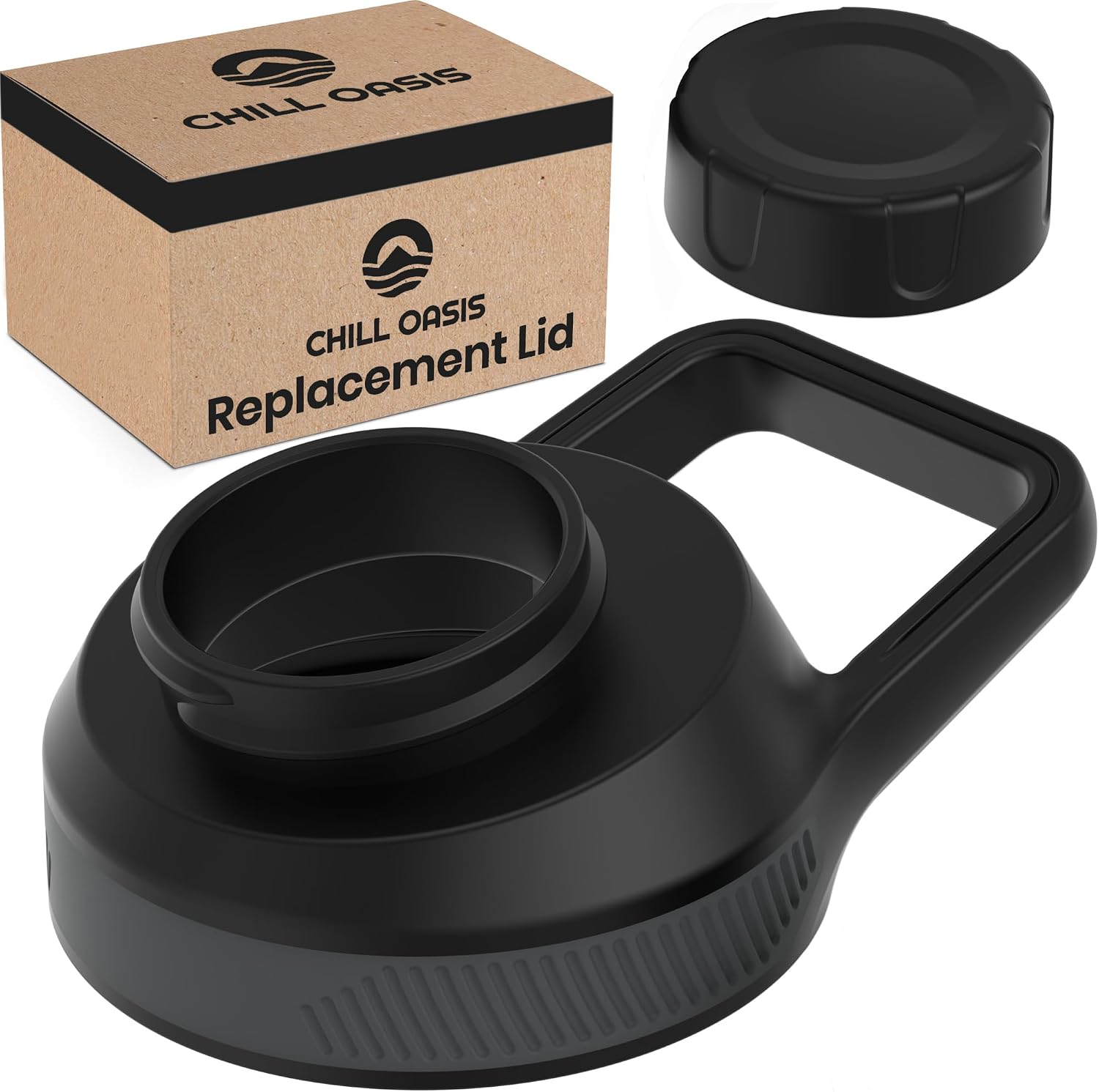
A bottle that leaks in a bag is a genuinely expensive problem if there is a laptop in there with it, and the instinct is to replace the bottle. That is usually unnecessary. Leaks come from a small number of causes, they are easy to tell apart, and most of them are a part rather than the bottle.
Start with the gasket, because it is usually the gasket
Most lids seal with a silicone ring seated in a groove. It can work loose, get dislodged during washing, perish over time, or simply be missing without anybody noticing.
Take the lid apart and look. A gasket that is twisted, flattened, cracked or absent explains the leak completely, and a replacement ring is a fraction of the cost of a bottle.
Cross-threading feels tight and seals badly
Starting a threaded lid at a slight angle engages the threads incorrectly. It will still tighten, it will feel secure, and it will not be square to the neck — so it leaks.
The fix is habit rather than hardware: start the lid by turning it backwards until you feel it drop into the thread, then turn forwards. It engages correctly every time.
Overtightening deforms the seal
A silicone gasket seals by being compressed slightly. Compressed too far it distorts and stops making even contact, so cranking a lid down hard can cause a leak rather than prevent one.
Firm is enough. If you need force, something else is wrong.
Debris in the sealing surface
A single fibre, a coffee ground or a smear of oil across the sealing face is enough to hold the gasket off the rim and create a channel. This is why bottles often start leaking right after carrying something other than water.
Wiping both the rim and the gasket clears it. Rinsing alone frequently does not, particularly with anything oily.
Straw lids and spouts have more to go wrong
Every additional moving part is another potential leak path. Straw lids, flip spouts and push-button caps each have their own seals and their own failure modes.
If a complicated lid keeps leaking, a plain screw lid on the same bottle is often the practical answer, and many bottles accept both.
Small stoppers are the most-lost part in the category
The tiny silicone plugs in tumbler and pot-belly cup lids exist precisely to stop splashing, and they are small enough to vanish down a sink without being noticed.
They are sold in multi-packs for that reason. Keeping a few spares is the difference between a working lid and a bottle you stop carrying.
Parts for this
Replacement stoppers, plugs and lids make up a large part of this shelf, because these are the components that go missing rather than wear out. On our own shelf that range currently runs from $4.49 for the GentleJet 3-Pack Reusable 5 Gallon Water Jug Caps – Blue Silicone, Non-Spill up to $6.99 for the Boao 5 Sets Silicone Water Bottle Carriers with Keychain Clips, Black, Silver, Yellow, Purple, Green.
Each of these sits in Bottle Accessories; there are 21 products in that group today. The figures below are the charged prices, and nothing further is added at payment.
- GentleJet 3-Pack Reusable 5 Gallon Water Jug Caps – Blue Silicone, Non-Spill — $4.49
- PurYupearl 6 Pcs Multicolor Silicone Water Bottle Buckle with Carabiner Clip — $4.99
- Chill Oasis Water Bottle Caps for Cirkul Lids – 2 Pack, White — $4.99
- Iconikal 2-Pack Water Bottle Holder with Rubber Grip & Aluminum Carabiner — $5.69
- PandaEar 6-Pack Silicone Water Bottle Caps for Kids & Toddlers – No-Spill Spout Adapter — $6.98
- Boao 5 Sets Silicone Water Bottle Carriers with Keychain Clips, Black, Silver, Yellow, Purple, Green — $6.99
Related reading
Two other pieces on this site cover ground next to this one. These three solve the same problem in quite different ways, and one of them is not suitable for a heavy bottle. And on a related note, the bottle is rarely the problem. The lid is where the smell comes from.
- Carrying a bottle hands-free: slings, straps and clips compared
- Keeping a reusable bottle genuinely clean
Mistakes when reassembling a lid
Putting a gasket back inside out or slightly twisted is easy to do and hard to see. It will sit in the groove and look correct while leaving a channel for water along one edge.
Forcing a gasket that has swollen slightly is the other. Silicone can take up a little water and expand, and pushing a swollen seal into place distorts it. Letting it dry fully first usually means it seats normally.
Testing a repair before you trust it
The sensible test is water only, over a sink, held upside down for a minute — not a full bottle of coffee in a bag with a laptop. Most people discover a repair failed the expensive way.
Squeeze the bottle gently while inverted as well. That simulates the pressure of a bag being set down and finds marginal seals that pass a static test, which is exactly the failure people actually experience.
Diagnose in this order
Check the gasket is present and undamaged, wipe the rim and seal, re-seat the lid by turning backwards first, and do not overtighten. If it still leaks and the lid has moving parts, try a plain lid before replacing the bottle.
Parts go out from Los Angeles, CA at a flat $3.95, free past $29. Unused returns are accepted for 30 days. Write to [email protected].